
Exploring Native American History and Culture with Students
A Respectful and Engaging Approach

Studying Native American history and culture with students can be an enriching journey, one that expands their understanding of indigenous cultures and the diverse perspectives within the United States. The age groups of upper elementary to high school are particularly suited to more in-depth explorations, as older students often develop critical thinking skills and can appreciate complex histories and cultural nuances. Here are some ideas for approaching the study of Native American history and culture with students in a balanced, thoughtful, and respectful way.
1. Start with Geography and Cultural Regions
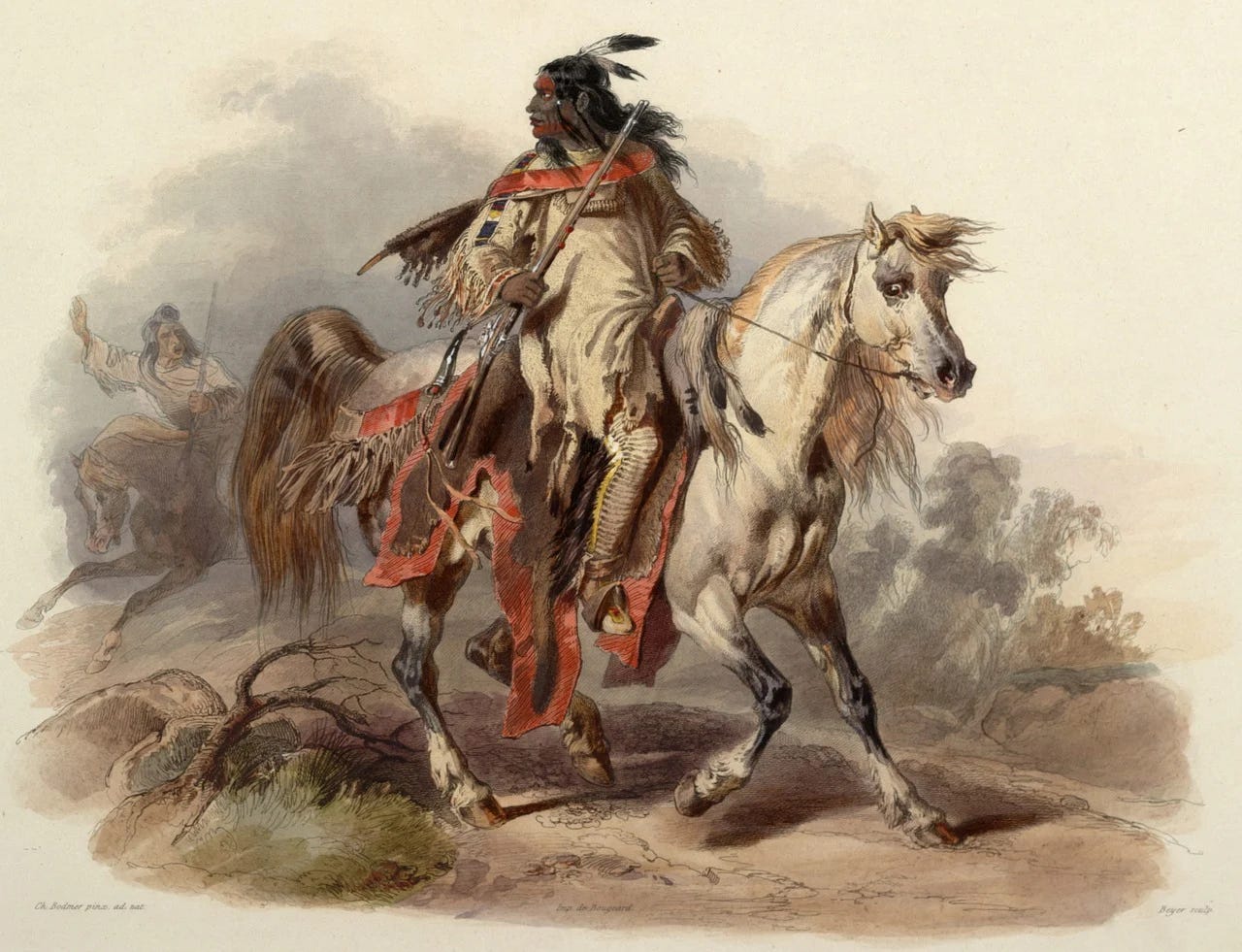
Begin by studying the different geographical areas of the United States and how indigenous groups adapted to their environments. Divide the regions into key cultural areas—such as the Great Plains, Eastern Woodlands, Southwest, Pacific Northwest, and Arctic.
Use maps to show where various Native American tribes lived and discuss how the local resources and climate influenced each tribe’s way of life. This can include looking at the materials they used for clothing, their food sources, and their types of housing.
Activities could include creating interactive maps or small models of traditional housing types, such as wigwams, pueblos, or longhouses. Through this, students can see firsthand how geography played a role in each tribe’s culture and survival.
2. Explore Language and Storytelling
Native American oral traditions are rich with stories, legends, and myths that have been passed down for generations. Share folktales from various tribes and discuss the values or morals in these stories.
Consider discussing the role of language in cultural identity and survival. Many Native American languages have been at risk of extinction but are now being revived and preserved. You can study a few words or phrases from different languages or even look at songs and chants.
Have students create their own folktales or “origin” stories based on their own lives or communities. This exercise helps them understand the value of oral history and the role storytelling plays in all cultures.
3. Examine Art, Music, and Traditional Crafts
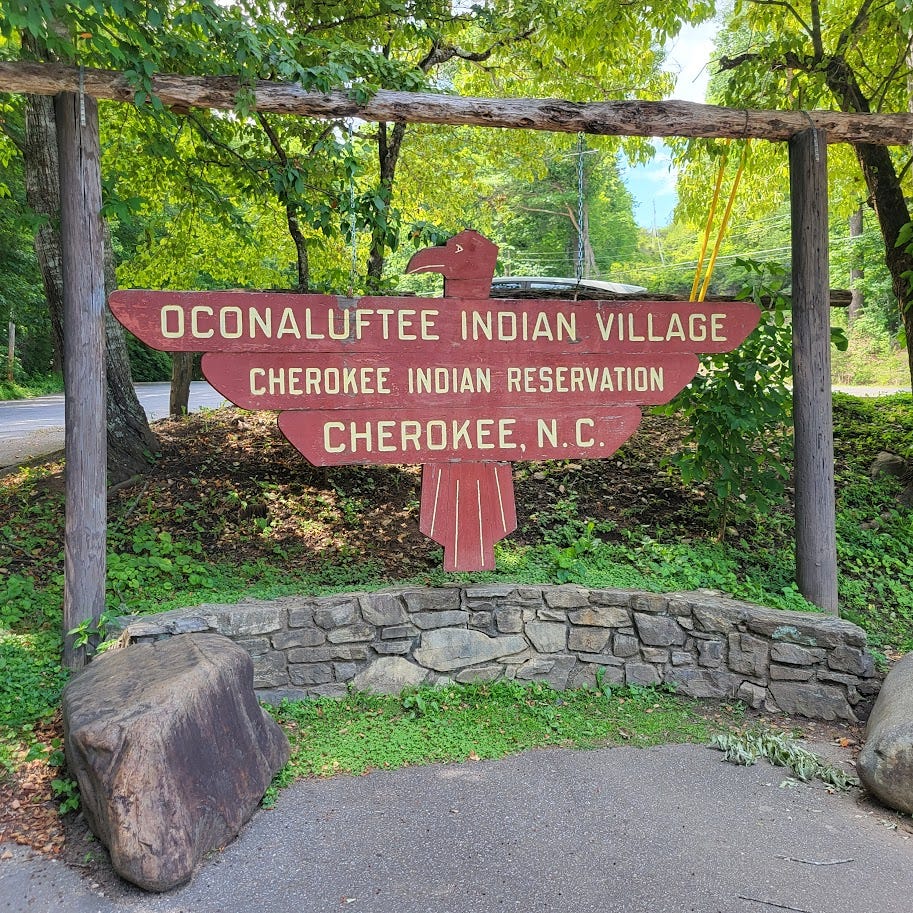
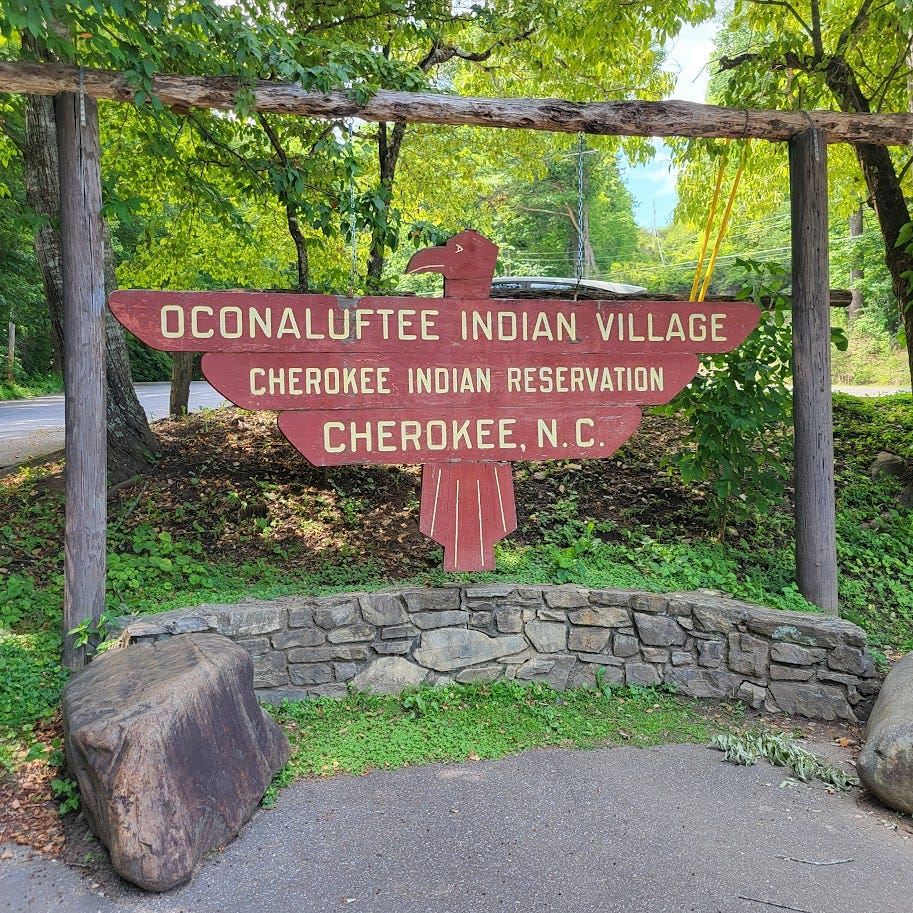
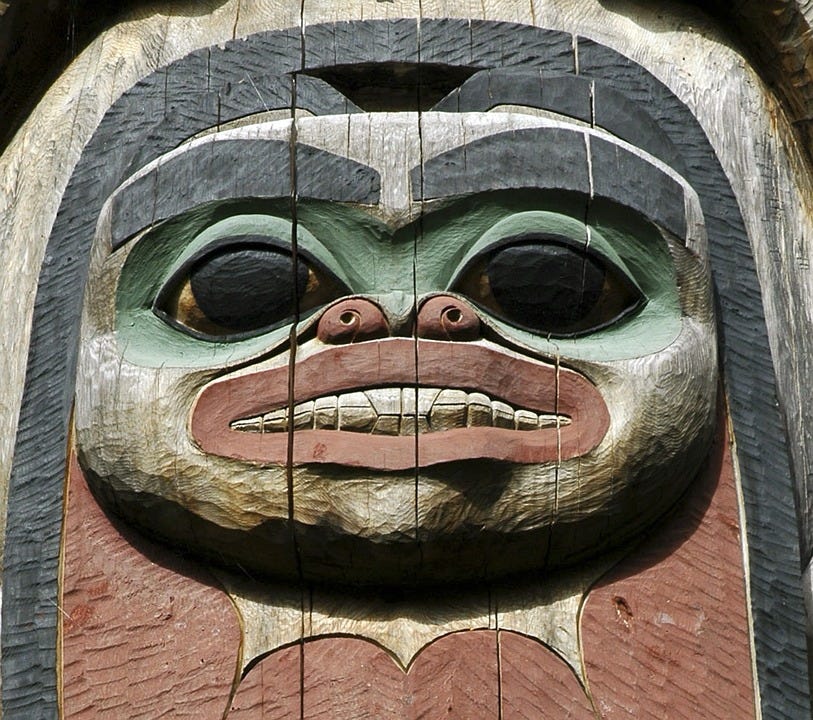
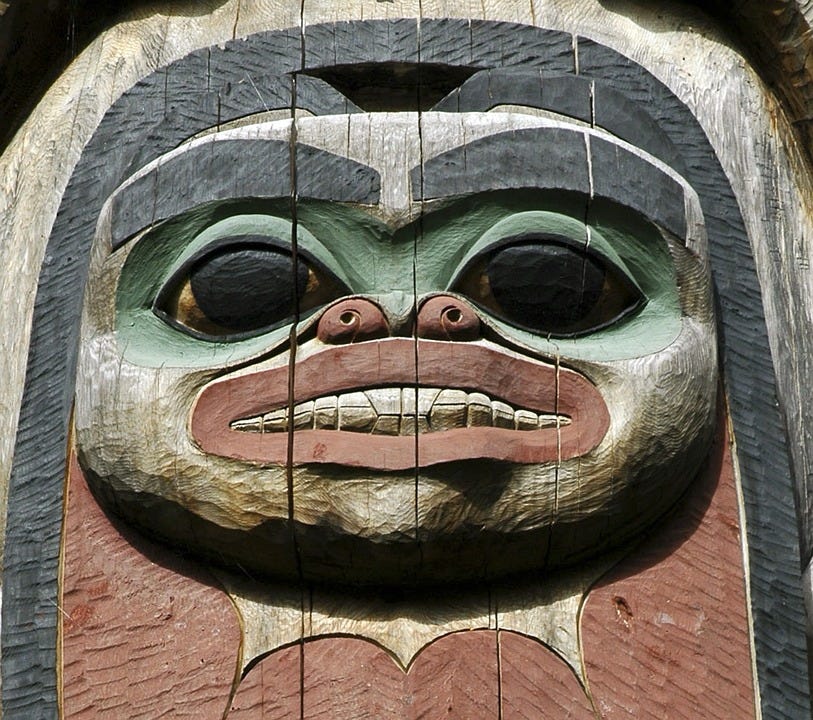
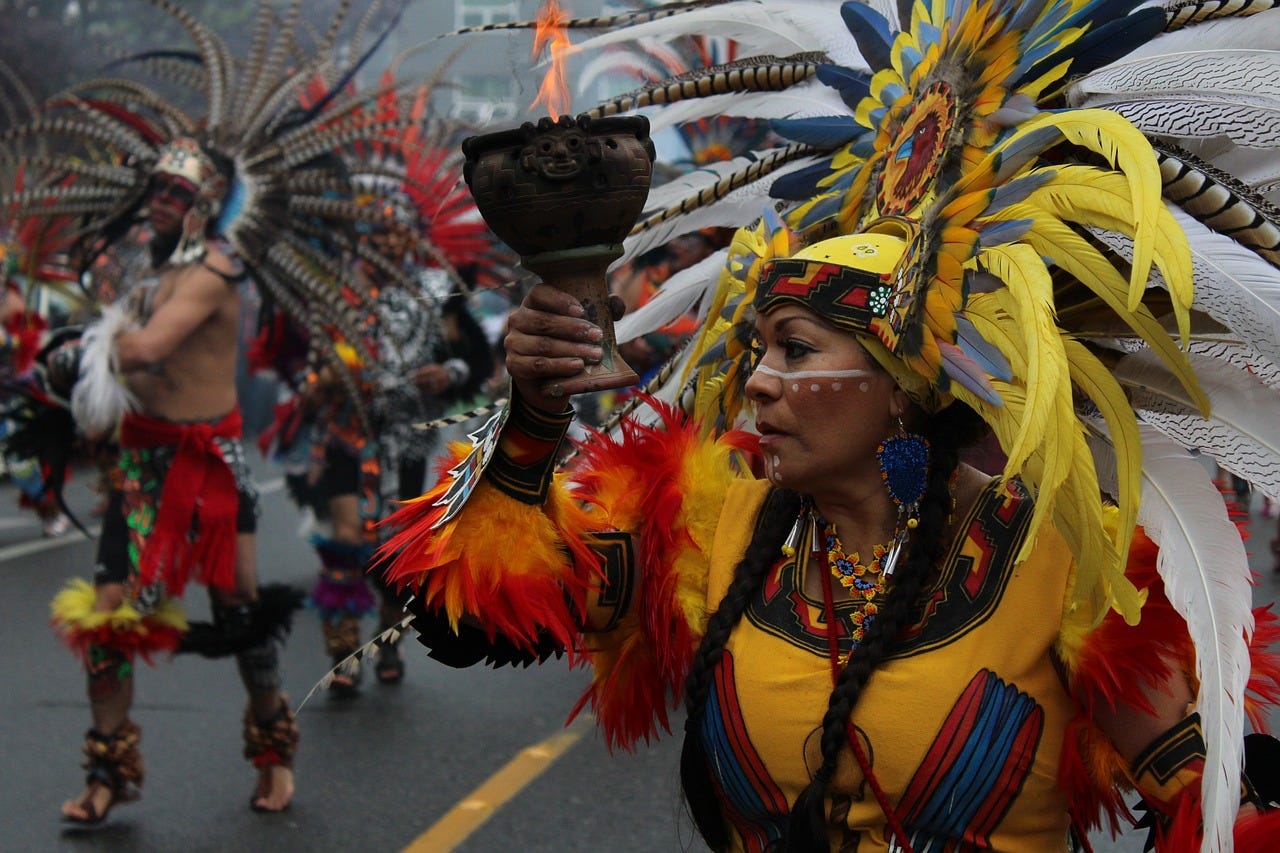
Art plays a significant role in Native American cultures, and each region and tribe has its own distinctive artistic style. Explore traditional crafts like beadwork, pottery, weaving, and basket making. Discuss how colors, symbols, and patterns are often meaningful and connected to cultural beliefs.
Show examples of indigenous artwork, and let students interpret what they see and how it might relate to the environment or spiritual beliefs of the tribe that created it. Some tribes, for example, use animals and nature symbols as a part of their artwork, which can lead to discussions about the importance of nature in Native American culture.
For a hands-on project, students can create their own crafts, such as simple beadwork, dreamcatchers, or pottery designs inspired by what they’ve learned. You might also consider incorporating music by listening to traditional Native American songs, drum rhythms, or even contemporary indigenous artists to show how these traditions continue to evolve.
4. Investigate Daily Life and Cultural Practices
Provide insights into daily life, such as food preparation, clothing, hunting, and social structure. Discuss how some tribes were nomadic, following buffalo herds, while others established complex agricultural systems.
Students can get a deeper understanding of traditional diets by exploring foods that originated with indigenous people in North America, such as corn, beans, squash, and wild rice. You could even try cooking a traditional dish, as long as it’s done with respect and cultural sensitivity.
Discuss other cultural practices, such as family roles, government structures, and spirituality, but be mindful to present a balanced view that doesn’t generalize or stereotype. Many tribes had different practices, beliefs, and social structures, and it’s important to convey the diversity and complexity of Native American life.
5. Study the Impact of European Colonization
Teach students about the early encounters between Native Americans and European settlers, discussing how each group viewed the other. Explain how Native Americans’ ways of life were affected by colonization, including the introduction of new diseases, the loss of land, and the forced relocation.
Engage students in understanding treaties and how they affected Native American communities. Many treaties promised protection or land rights but were later broken, leading to conflict and hardship. You could have students read sections of treaties and discuss the promises made and whether they were kept.
Be sure to present this period as a complex and difficult time for Native Americans, balancing perspectives and presenting historical facts.
6. Modern-Day Native American Life and Advocacy
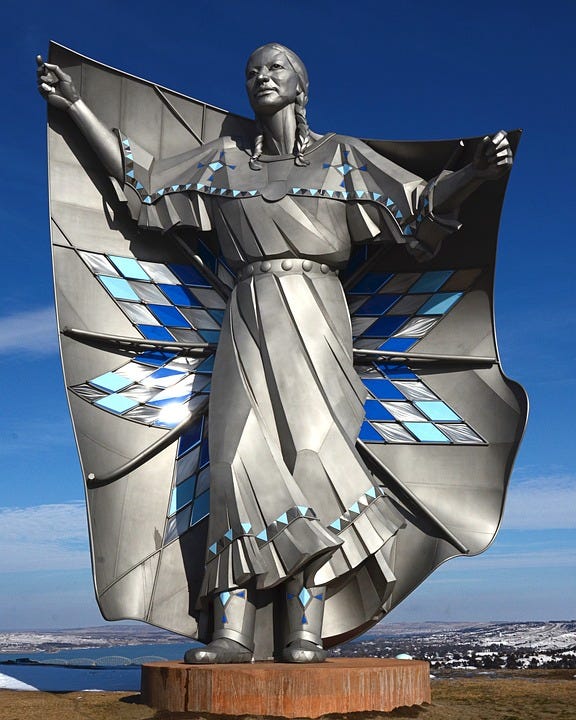
Many Native American communities face ongoing challenges, including maintaining their cultural heritage, language preservation, economic struggles, and political issues surrounding land rights and sovereignty.
Explore how Native American people today are working to preserve their cultures, support their communities, and fight for their rights. This might include discussing Native American athletes, artists, writers, or politicians who have influenced society.
If possible, connect with local Native American organizations or speakers who can share insights on modern Native American issues and achievements, allowing students to hear directly from those within these communities.

7. Incorporate Media and Literature by Native American Authors
Incorporating Native American authors, poets, and filmmakers into the curriculum offers students diverse perspectives.
For visual learning, consider showing documentaries or short films that discuss Native American history and culture, like the PBS series We Shall Remain, which covers critical historical events and the resilience of Native American tribes.
By following these steps, you can create a respectful, informative, and engaging curriculum about Native American history and culture. The goal is to cultivate a greater appreciation for the diversity of Native American communities, past and present, and to inspire students to continue exploring and learning from the rich history around them.